If your kitchen smells like a smoky carnival and your grease traps are whispering ominous secrets, it’s time for a deep clean. Commercial kitchen grease filters are unsung heroes—they are the frontline defense against buildup, ensuring your ventilation system runs smoothly and safely. While professional deep cleaning services are often necessary https://rentry.co/6ecghou8 for massive buildup, many of the essential maintenance tasks, especially the routine cleaning of filters, can be handled effectively at home. Knowing exactly how to clean commercial kitchen grease filters at home doesn't just save you money; it keeps your workspace compliant, efficient, and, frankly, less smelly. This comprehensive guide will walk you through the safest, most effective methods, transforming the daunting chore of grease removal into a manageable process.
Understanding the Grease Filter Challenge
Before we dive into the cleaning process, it’s crucial to understand what these filters are doing and why they become so problematic. Grease filters are designed to catch airborne oils, fats, and particulates that escape your cooking surfaces. Over time, these materials combine with dust, carbon, and residual cooking oils, creating a sticky, combustible sludge. Ignoring this buildup is like letting a small leak become a burst pipe—it’s a serious fire hazard and a major operational hindrance.
Why Professional Intervention Isn't Always Required
While extreme buildup requires a professional rig and specialized chemicals, most daily maintenance falls into the 'DIY' category. The key difference lies in the scale of the buildup. If the filters are merely coated in surface grime and light grease, routine household cleaning methods can be highly effective. If, however, the grease has hardened into thick, tar-like layers, or if the ducts are visibly restricted, a professional service is mandatory. Are you sure the problem isn't bigger than the filters themselves?
Safety First: The Prime Directive
We must treat this process with the utmost respect for safety. Grease is flammable, and the solvents we use can be volatile. Always ensure proper ventilation and wear appropriate personal protective equipment (PPE). Never attempt to clean filters while the ventilation system is powered on. Remember, your safety is the most valuable ingredient in this process.
Preparing for the Deep Clean: Tools and Materials
Gathering the right gear is half the battle. You don't want to start cleaning with a toothbrush and a prayer. Proper preparation ensures the job is done efficiently and, most importantly, safely.
Essential Cleaning Equipment
You don't need industrial-sized machinery, but a few key items will make a world of difference.
- Safety Gear: Rubber gloves, safety goggles, and an appropriate respirator mask (especially when dealing with heavy grease fumes). Cleaning Agents: Dish soap (heavy-duty degreaser), baking soda, and sometimes a specialized commercial degreaser (if the grease is particularly stubborn). Tools: Stiff-bristle brushes, scrapers, and buckets of hot water. Disposal: Heavy-duty garbage bags or containers for the collected grease.
The Right Approach to Degreasing
The fundamental principle when cleaning grease is to emulsify—that is, to break the oily bonds and mix them with water into a suspension that can be washed away. Hot water is your best friend here; heat dramatically lowers the viscosity of the grease, making it easier to scrape and wash.
Step-by-Step Guide: How to Clean Commercial Kitchen Grease Filters at Home
Now that you are prepared, let's tackle the process. This methodical approach ensures you clean thoroughly without damaging the filter material.
Pre-Cleaning: The Scraping Phase
Before any liquid touches the filter, you must remove the bulk of the solid material. This is the scraping phase. Use a sturdy, non-metallic scraper (metal can react poorly with some filter materials) to gently remove visible, hardened sludge. Work slowly and methodically. This initial removal prevents the solvents from simply saturating the grease instead of lifting it.

The Washing Process: Soaking and Scrubbing
Once the bulk is gone, it's time to soak.
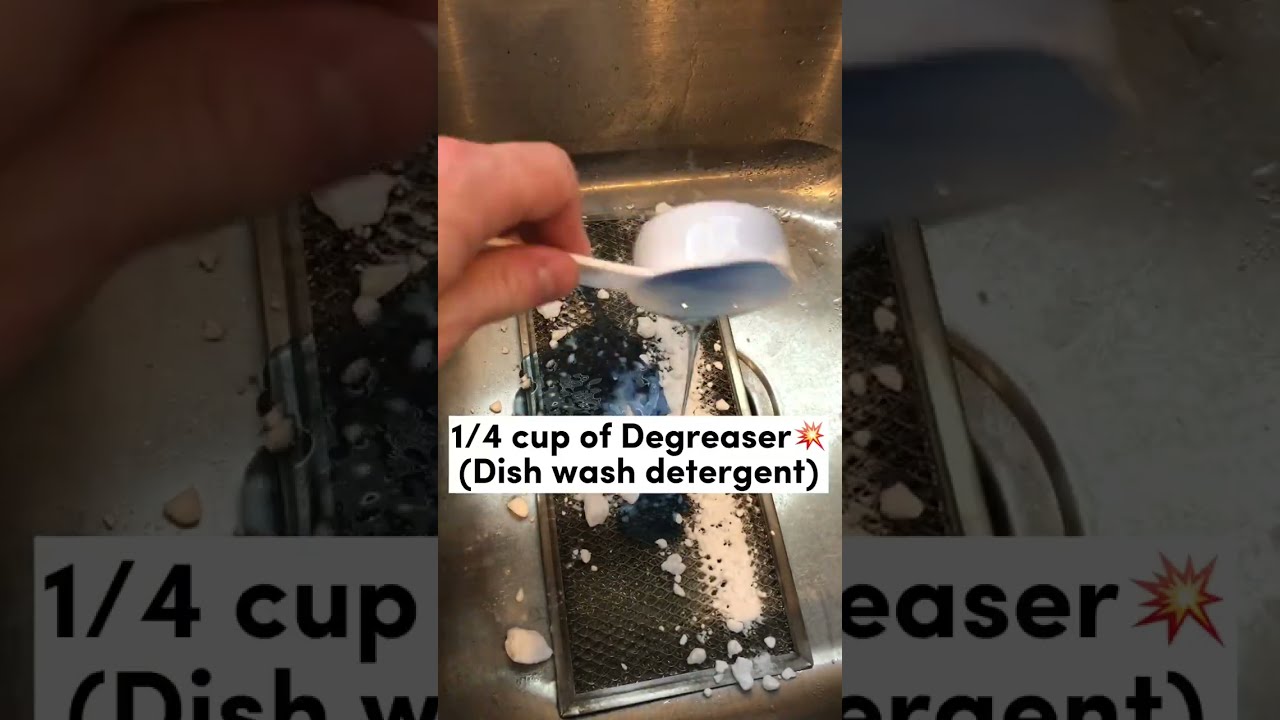
Soak: Fill a large basin with very hot water and add a generous amount of heavy-duty degreaser or dish soap. Submerge the filters and let them soak for 30–60 minutes. This allows the soap and heat to do the heavy lifting, softening the remaining grease. Scrub: After soaking, use the stiff-bristle brushes to scrub the filters in sections. Focus on the intricate mesh areas where grease tends to accumulate like stubborn barnacles. Rinse: Rinse the filters thoroughly under running hot water. Use a high-pressure hose (if available) to ensure every crevice is rinsed clean.Dealing with Stubborn Spots
Sometimes, grease has formed a bond that resists simple scrubbing. This is where a little elbow grease—and perhaps a little baking soda paste—comes in handy. A paste of baking soda and water can act as a gentle abrasive, helping lift residue without damaging the filter mesh. It's a natural wonder that works wonders!
Maintaining Peak Performance: Long-Term Care
Cleaning the filters is only half the battle; maintaining them is the key to preventing future disasters. Think of filter maintenance as preventative medicine for your kitchen.
Establishing a Routine Schedule
Consistency is paramount. Don't wait until the filters are visibly black and sticky. Establish a routine:
- Daily: Quick visual inspection and removal of loose debris. Weekly: Full wash and soak (following the steps above). Monthly: If grease levels are high, consider a light professional inspection, even if you perform the cleaning yourself.
The Importance of Proper Disposal
Never pour concentrated grease down the drain. It solidifies and contributes to plumbing blockages. Collect all removed grease and sludge in designated containers—like old coffee cans or thick plastic tubs—and dispose of them according to local waste management guidelines.
As the adage goes, "A little prevention is worth a lot of cure." By making filter cleaning a consistent part of your operational routine, you are ensuring the longevity and safety of your entire ventilation system.
Beyond the Filter: A Holistic Approach to Kitchen Cleanliness
A clean grease filter is just one component of a truly spotless kitchen. By adopting a proactive mindset, you can prevent buildup from becoming a monumental problem. This holistic approach means recognizing that cleanliness is not a one-time event, but a continuous cycle of care.
We've covered how to clean commercial kitchen grease filters at home effectively and safely. But remember, the goal isn't just cleanliness; it's optimal performance. By understanding the science behind grease buildup and diligently maintaining your equipment, you are not just keeping the kitchen smelling fresh; you are safeguarding your business from costly downtime and potential hazards.
By treating this maintenance process with the seriousness it deserves, you ensure that your kitchen remains a highly efficient, compliant, and safe workspace. Start today, and let the shine of clean filters be a constant reminder of the value of proactive care.